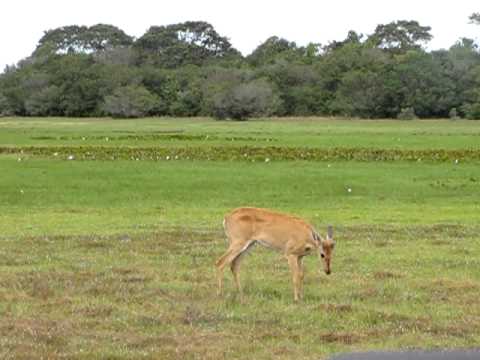

“I am back in Campo Grande and getting ready to head to the airport for my trip back home via Sao Paulo and Toronto. I just want to let you know that the four days with the people from Fazenda Baia das Pedras was excellent. They showed how eco-tourism can be conducted, at least in areas that are not primitive.”
— David Brooks, CanadaPackages
An incredible safari in one of the most beautiful regions of the Pantanal.
Filter packages by:
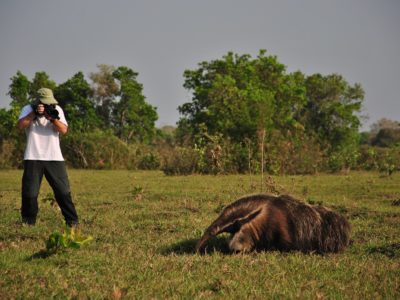
Pousada Aguape Tours
Pousada Aguape is surrounded by the lush riverside forests of the Aquidauana River, allowing guests to experience up-close the natural beauty of the Pantanal region. Come and explore this stunning area and its abundant wildlife.
More details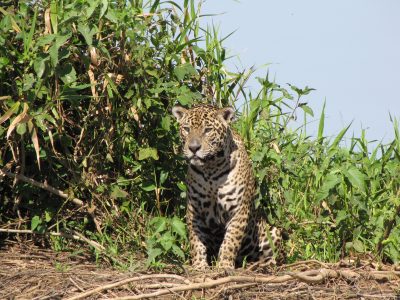
Hotel Porto Jofre Tours
Hotel Porto Jofre, located deep into the North Pantanal, is one of the best places in the world to see jaguars in the wild.
More details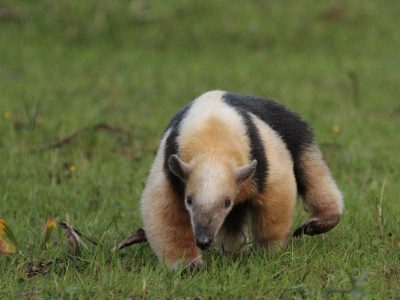
South Pantanal Splendour
Combining two remote, small sized lodges will offer you an unique wildlife viewing experience; Baia das Pedras with its open savanna landscapes with the lush wet region of Fazenda Barranco Alto. Wildlife satisfaction guaranteed.
More details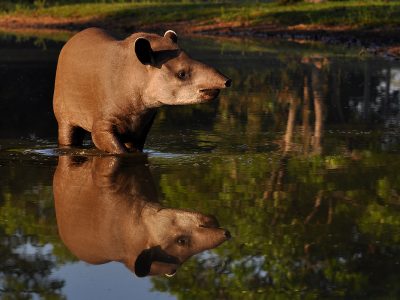
Araras Eco Lodge Tours
Araras Eco Lodge offers a variety of activities that are low on environmental impact but high on adventure and excitement. Wildlife satisfaction guaranteed.
More details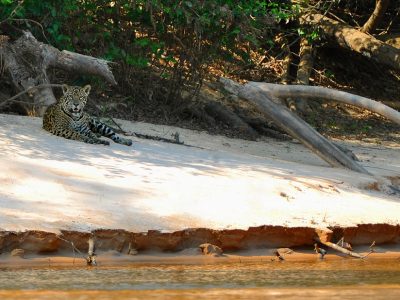
Jaguar Safari
The affordable and guaranteed way to spot jaguars and giant otters in the heart of the Pantanal is on the Jaguar Safari tour.
More details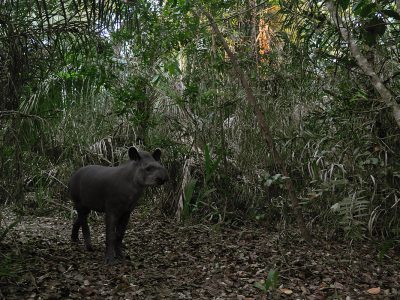
North Pantanal Wildlife Tour
A unique experience including the best of North Pantanal, Transpantaneira road and the Cuiabá river. As well as the opportunity to see a huge amount of wildlife, for instance the elusive jaguar, tapir, anaconda, many exotic birds and the giant river otter.
More details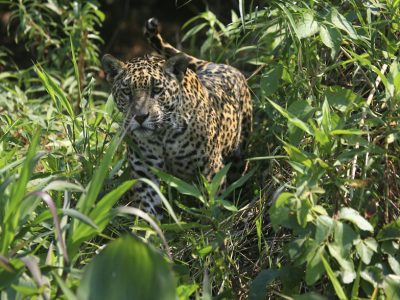
Paraguay river & Taiamã Reserve jaguar programs
The perfect way to trace jaguars on the Paraguay river and Taiama Reserve is through the Baiazinha Lodge. Since the Taiama Reserve is a federally protected zone, it is not open to the public and no tour operator is allowed to take tourists to the reserve
More details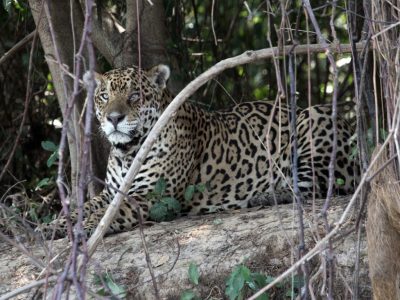
Jaguar Expedition Boat Programs
An exciting new expedition boat that has just been launched in the Porto Jofre Region of the Northern Pantanal, with the highest concentration of jaguars in the world
More details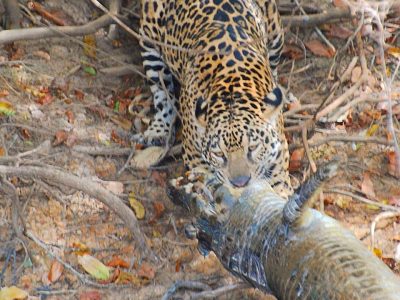
Jaguar Ecological Reserve Tours
The Jaguar Eco Lodge is located deep within the pristine nature of the north Pantanal. This basic lodge will offer an unmatched wildlife experience.
More details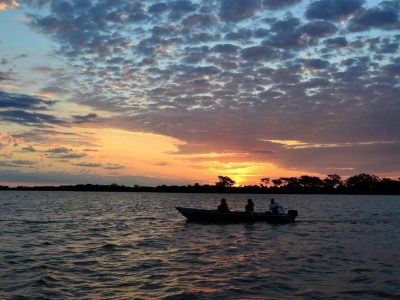
Pousada do Rio Mutum Tours
Horseback riding through the forests and wetlands, trails totally immersed in nature, flights of birds, Brazilian otters playing by the river, alligators enjoying the sun… will give you unique and unforgettable moments.
More details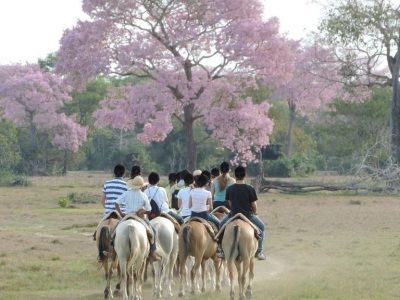
Pousada Piuval Tours
Pousada Piuval is the perfect place to admire the biodiversity of the Pantanal. The lodge also offers a wide variety of activities.
More details
South Pantanal Mammal & Bird Tour
A nature expedition to remote Pantanal lodges for an unique and exciting wildlife adventure allowing you to observe an extraordinary amount of wildlife and a richness of birdlife far greater and easier to see than in any other region in the world.
More details